Treat the causes
Identify incoming pollution and site conditions before selecting treatment.
 INTELLEXEMPIRETECHNOLOGIES LLP
Water Body Rejuvenation
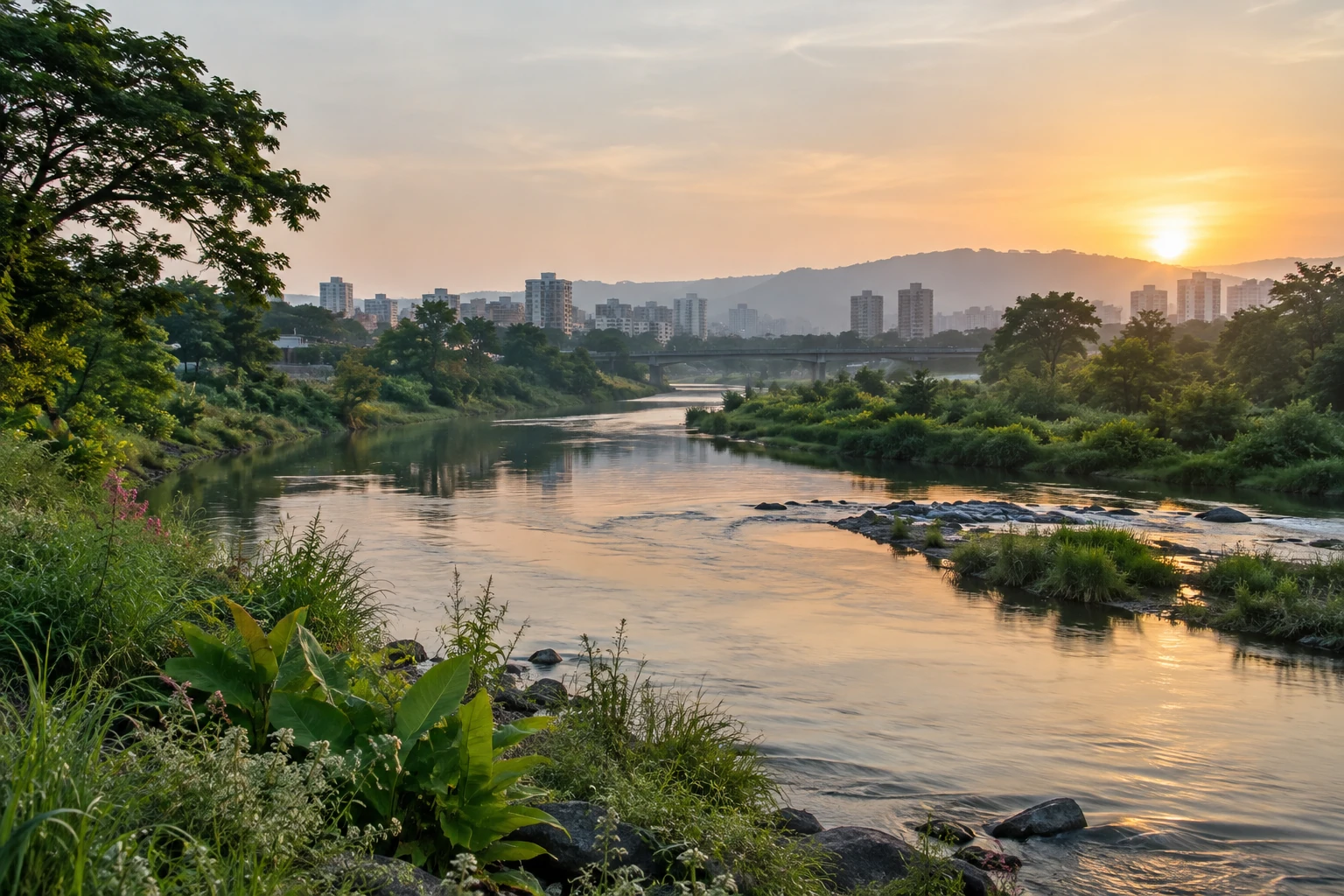
A site-specific approach to lakes, rivers, ponds and canals—connecting pollution-source assessment, bioculture and aeration with a practical restoration plan.
01 / UNDERSTAND THE CHALLENGE
02 / VALUE TO YOUR PROJECT
Identify incoming pollution and site conditions before selecting treatment.
Consider biological treatment, oxygenation and the needs of the surrounding water environment.
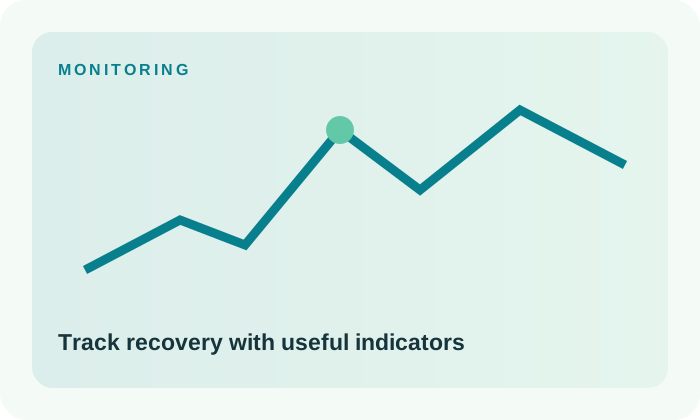
Build monitoring and maintenance into the programme from the beginning.
TECHNICAL SCOPE
Final configuration follows site assessment, approved documentation and project-specific review.
Review surface area, bathymetry, depth, volume, inlets, outlets, storm-water outfalls, stagnant zones, existing fountains or aerators, aquatic vegetation, floating waste and sediment.
Assess pH, dissolved oxygen, BOD, COD, TSS, TDS, turbidity, nitrogen, phosphate, oil and grease, conductivity and relevant microbiological indicators.
Map sewage and other discharge points, then evaluate interception, diversion, pumping or decentralised treatment before relying on in-lake measures.
Select aeration, micro-bubbling, fountain circulation, bioremediation, bio-enzymes, floating-waste controls and nature-based polishing according to site conditions.
Compare baseline and pilot observations including DO, BOD, COD, turbidity, odour, aquatic weeds, energy use, maintenance and dosing requirements.
SEE THE PROCESS
From understanding the water to reviewing its response.
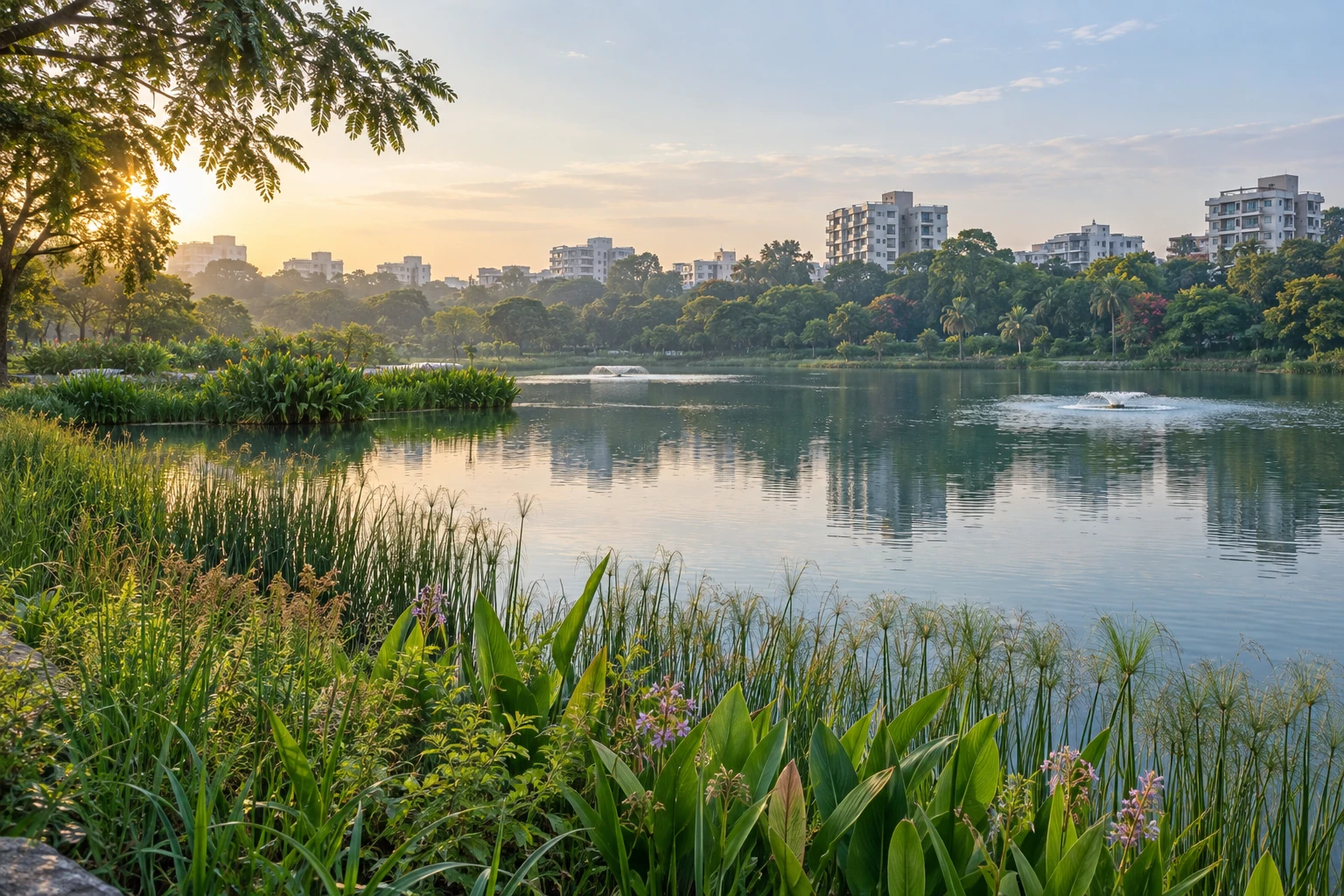
Review water quality, circulation and incoming pollution before choosing an intervention.
APPLICATION VIEW
Every recommendation is shaped by the site, its users, operating conditions and the outcome that needs to be reviewed.
SERVICE VISUALS
Five original graphics show the decisions, interventions and review points for this service.
03 / OUR APPROACH
Review inflows, approximate volume, water quality, circulation and visible site conditions.
Evaluate suitable bioculture, aeration and complementary site measures.
Plan implementation, agree indicators and review observations over time.
A BASIS FOR REVIEW
Relevant indicators and review methods are agreed for the application. Outcomes depend on the baseline, implementation and operating conditions.
READY FOR A USEFUL FIRST DISCUSSION
Location, approximate water-body area and depth, photographs, inflow details and any available water-quality reports.